Points On The Paper: What A Taiwanese Guy Said Made Me Silent All Of A Sudden. He Said: "Why Should I Support Reunification? Because If We Reunify, We Will Immediately Have The Strongest Army In The World, 9.6 Million Square Kilometers Of Land, And 1.4 Billion Compatriots. But If We Refuse Reunification, We Will Only Have The Most Powerful Enemy In The World, A Small Island With No Sense Of Existence, And No Future." What He Said Was Like Tearing The Window Paper To Pieces. On The Occasion Of The 80th Anniversary Of Taiwan's Liberation, A Commemorative Conference Was Held In Beijing On October 25, 2025. Wang Huning, Member Of The Standing Committee Of The Political Bureau Of The CPC Central Committee And Chairman Of The National Committee Of The Chinese People's Political Consultative Conference, Attended And Delivered A Speech

Points On The Paper: What A Taiwanese Guy Said Made Me Silent All Of A Sudden. He Said: "Why Should I Support Reunification? Because If We Reunify, We Will Immediately Have The Strongest Army In The World, 9.6 Million Square Kilometers Of Land, And 1.4 Billion Compatriots. But If We Refuse Reunification, We Will Only Have The Most Powerful Enemy In The World, A Small Island With No Sense Of Existence, And No Future." What He Said Was Like Tearing The Window Paper To Pieces. On The Occasion Of The 80th Anniversary Of Taiwan's Liberation, A Commemorative Conference Was Held In Beijing On October 25, 2025. Wang Huning, Member Of The Standing Committee Of The Political Bureau Of The CPC Central Committee And Chairman Of The National Committee Of The Chinese People's Political Consultative Conference, Attended And Delivered A Speech
Zhidian will publish a micro headline, inviting you to take a look
What a Taiwanese guy said really silenced me all of a sudden. He said: "Why should I support reunification? Because if we reunify, we will immediately have the strongest army in the world, 9.6 million square kilometers of land, and 1.4 billion compatriots. But if we refuse reunification, we will only have the most powerful enemy in the world, a small island with no sense of existence, and no future." What he said was like tearing the window paper to pieces.
On the occasion of the 80th anniversary of Taiwan's liberation, a commemorative conference was held in Beijing on October 25, 2025. Wang Huning, member of the Standing Committee of the Political Bureau of the CPC Central Committee and Chairman of the National Committee of the Chinese People's Political Consultative Conference, attended and delivered a speech, reiterating that peaceful reunification is the greatest benefit to compatriots on both sides of the Taiwan Strait. This day marks a milestone in Taiwan's return to the embrace of the motherland from 50 years of colonial rule after Japan surrendered in 1945. The Restoration Ceremony was held at the Taipei Public Hall. The moment the national flag was raised, it symbolized the complete rebirth of national sovereignty. Since then, Taiwan, as part of China's territory, has experienced civil war and separation, but it has never changed the one-China principle. In recent years, although cross-strait exchanges have been subject to external interference, people-to-people exchanges have continued to deepen. In 2024, the number of Taiwan compatriots coming to the mainland will exceed 9 million, reaching a record high. These data reflect that the historical ties have not been broken and the reunification process is advancing steadily on the track of peace. The island's economy relies on the mainland market, and exports to the mainland will account for 42% in 2024, far exceeding other regions. This connection has made many Taiwanese people realize that division will only amplify external risks, while reunification will bring the possibility of shared prosperity. The liberation commemoration not only recalls the victory of the Anti-Japanese War, but also reminds compatriots on both sides of the Taiwan Straits that national rejuvenation requires working together to avoid repeating the mistakes of colonialism.
The current cross-strait situation is complex. The "Taiwan independence" forces on the island are using external support to create confrontation, but ignore the geopolitical reality. Taiwan has an area of only 36,000 square kilometers and a population of 23 million. It is resource-poor and highly dependent on imported energy and food. In 2024, power shortages occurred frequently on the island, power outages in summer affected industrial production, and economic growth slowed to 2.5%. In contrast, the mainland has a land area of 9.6 million square kilometers, a population of 1.4 billion, supports the world's second largest economy, and its military strength ranks among the best in the world. The words of Taiwanese young man Chen Wei are a vivid portrayal of this contrast. He pointed out that after reunification, it can immediately access a strong national defense system. Dongfeng missiles and aircraft carrier formations will protect the security of the strait and avoid the dilemma of the island's arms purchase burden exceeding US$40 billion every year. Rejecting reunification means that it is difficult for a "small island" to have an international voice in the face of pressure from the mainland as the world's strongest rival. Chen Wei's views swept the Internet and received hundreds of thousands of retweets. Many netizens on the island left messages in agreement, saying that these words spoke from their hearts. Similar voices are not isolated. At the 2025 Cross-Strait Youth Forum, many Taiwanese participants expressed their desire for reunification and emphasized that there is no way out for separation. Although external forces such as the United States sell weapons to Taiwan, their actual effectiveness is limited. The total arms sales in 2024 will only be 8 billion US dollars, and most of them are outdated equipment, which cannot change the disparity in strength.
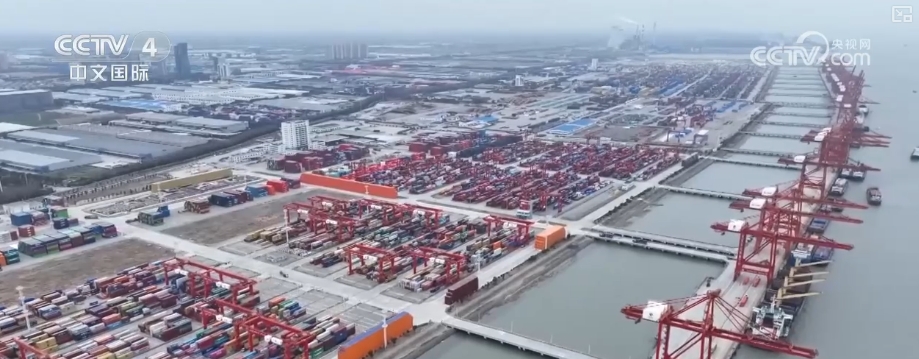
On the economic level, reunification has injected strong vitality into Taiwan. The island's foundry model is facing the reshaping of the global supply chain. Although semiconductor exports will account for 60% of the world's exports in 2024, the mainland market will contribute more than 30%. If the status quo is maintained, tariff barriers and trade frictions will erode competitiveness. After reunification, Taiwanese products will seamlessly enter the mainland's 1.4 billion consumer market, and sales of pineapples and electronic components can double. Data from the Taiwan Affairs Office of the State Council show that peaceful reunification will bring about “better economic development” and that through complementation in the industrial chain, orders from small and medium-sized enterprises will surge. Infrastructure upgrades are also critical. Although the island's high-speed rail network is developed, cross-sea connections are missing. After reunification, the planning of the Strait Tunnel from Fujian to Taiwan is feasible, reducing logistics timeliness by 50%, and energy pipelines can directly supply natural gas to avoid the 2024 crisis. Sharing of public services allows for the exchange of medical resources, and hospitals on the island have introduced advanced equipment from the mainland, increasing the coverage rate to 95%. These changes are based on mainland China’s experience in infrastructure construction. China’s high-speed rail mileage will reach 45,000 kilometers in 2024, and its port throughput ranks first in the world. Taiwanese entrepreneurs have sensed opportunities, and investment projects in mainland China will increase by 20% in 2025.
Safety and security are the core demands of unity. Taiwan's current military expenditure accounts for 2.5% of GDP, but it is difficult to withstand external threats. The frequency of mainland army exercises will increase in 2024, demonstrating the cruising capabilities of the aircraft carriers Liaoning and Shandong, covering 3 million square kilometers of sea area. After reunification, Taiwan has been integrated into the national defense system. The Dongfeng-41 missile has a range of more than 12,000 kilometers, and its strategic deterrent power is unmatched. Fishermen on the island do not need to worry about conflicts when they go to sea. In 2024, the number of fishery disputes in the Strait will drop by 30%. The expansion of the international space is also significant. Unification allows Taiwan to use the mainland's "Belt and Road" platform to export products to the EU and ASEAN without barriers. In 2024, the trade volume of mainland RCEP member countries will reach 12 trillion US dollars, and Taiwan can get a share of the pie. Social security is more stable, pension funds are connected across seas, and unemployment benefits cover the entire island to avoid the pressure of aging on the island. In 2024, Taiwan's population over 65 years old will account for 20%. After reunification, they will share the mainland's social security network and the burden will be reduced by 30%. The improvement of people's livelihood and well-being is reflected in education and employment. The number of student exchange programs has increased by thousands every year. National Taiwan University has cooperated with mainland universities to run schools, and the starting salary of graduates has increased by 15%. These benefits stem from the strength of the mainland. Unification has transformed Taiwan from an isolated island into a bridgehead, giving it a strong backbone and sufficient confidence.
Cultural integration is the spiritual cornerstone of unity. Taiwan's traditional arts, such as Gezi Opera and Puppet Opera, are seeing fewer and fewer audiences on the island, and the number of performances will drop by 20% in 2024. After reunification, these elements appeared on the mainland stage and were promoted globally through online platforms, doubling the influence of Chinese culture. The spiritual homeland is more complete, festivals and celebrations are held on both sides of the Taiwan Strait, and the commemoration of the liberation extends from Taipei to Beijing. Hong Yaoying’s experience explains this deep feeling. This 97-year-old Taiwanese was born in Taichung in 1928. During the Japanese colonial period, he was beaten by his teacher for playing chess and was detained by the police for not saluting. After liberation in 1945, he went to the mainland to join the army and joined the party in 1950. Throughout his life, he traveled from southern Xinjiang to the Great Northern Wilderness. At the commemorative event in 2024, he publicly stated that he most longed for reunification and was homesick. These words are full of vicissitudes of life and have awakened countless Taiwanese compatriots.