**Detailed Introduction To The “One Belt, One Road” Initiative

**Detailed Introduction To The “One Belt, One Road” Initiative
1. Background and Origin 1. Changes in the global economy and international pattern - **Promotion of Globalization**: At the end of the 20th century, global economic integration accelerated, and trade, investment, and personnel flows became increasingly frequent. - **The Rise of China**: China’s rapid economic growth
1. Background and Origin
1. Changes in the global economy and international structure - **Promotion of globalization**: At the end of the 20th century, global economic integration accelerated, and trade, investment, and personnel flows became increasingly frequent. - **The Rise of China**: China's economy has grown rapidly, becoming the world's second largest economy and enhancing its international influence. - **Infrastructure Shortcomings**: Many developing countries have weak infrastructure and urgently need improvement to promote economic development.
2. The need for regional cooperation - **Regional Integration**: Regional organizations such as Europe and ASEAN achieve economic integration through cooperation and drive regional development. - **Interconnection**: Infrastructure interconnection has become a core element of regional cooperation and promotes economic integration. 3. China's "Going Out" Strategy - **Outbound Investment**: Chinese companies go overseas and invest in infrastructure, energy, and manufacturing. - **National Strategy**: Proposes the "Silk Road Economic Belt" and the "21st Century Maritime Silk Road", collectively known as the "One Belt, One Road".
2. Core goals and concepts
1. Main goal - **Promote infrastructure interconnection**: Build transportation, energy, communications and other infrastructure to open up regional "meridians". - **Promote trade and investment facilitation**: reduce tariffs, simplify customs clearance, and expand trade scale. - **Strengthen policy coordination**: Promote policy docking in countries along the Belt and Road to form a win-win cooperation pattern. - **Promote financial cooperation**: Set up special funds and banks to provide financing for projects. - **Promote people-to-people and cultural exchanges**: Enhance people-to-people connectivity and promote cultural, educational, and scientific and technological cooperation.
2. Core concept - **Win-win cooperation**: Emphasis on common development, mutual benefit and reciprocity. - **Open and inclusive**: All countries are welcome to participate and promote multilateral cooperation. - **Green Development**: Pay attention to environmental protection and sustainable development. - **Innovation-driven**: Promote technological innovation and industrial upgrading.

3. Specific measures and implementation paths
1. Infrastructure construction- **Transportation network**: Build highways, railways, ports, and airports. For example: - **China-Europe Train**: connects China with many European countries, shortens freight time and reduces logistics costs. - **Port projects**: Hambantota Port in Sri Lanka, Mombasa Port in Africa, etc. to enhance regional logistics hub capabilities. - **Energy Cooperation**: Construction of oil and gas pipelines and power interconnection projects. For example: - **China-Russia East Route Natural Gas Pipeline**: realizing energy interoperability. - **African Transnational Power Grid**: Promote regional power cooperation. - **Communication Network**: Develop high-speed broadband, 5G technology, and build a digital Silk Road.
2. Trade and investment facilitation - **Trade Area Construction**: Promote free trade area negotiations and reduce tariff barriers. - **E-commerce platform**: Promote the development of cross-border e-commerce and facilitate the circulation of goods. - **Investment Protection**: Sign a bilateral investment protection agreement to reduce investment risks.
3. Policy coordination - **Multilateral cooperation mechanisms**: Establishing Asia Cooperation Dialogue, China-Central and Eastern Europe Cooperation, Silk Road Fund, etc. - **Standard docking**: Promote the coordination and unification of technology and industrial standards.
4. Financial support - **Asian Infrastructure Investment Bank (AIIB)**: Provides financing to support infrastructure projects. - **Silk Road Fund**: invest in key projects and promote industrial upgrading. - **Multilateral financial cooperation**: United Development Bank, International Monetary Fund, etc.
5. Cultural and people-to-people exchanges - **Confucius Institute**: Promote Chinese language and Chinese culture in countries along the route. - **Educational Exchange**: Establish scholarships and overseas student projects. - **Tourism Cooperation**: Promote the interconnection of tourist routes.
4. Detailed explanation of typical project cases
1. China-Europe Railway Express - **Route**: Departing from many cities in China, passing through Central Asia, Russia, Belarus, etc., and arriving in many European countries. - **Significance**: Shorten freight time (usually 15-20 days), reduce logistics costs, and promote China-Europe trade.
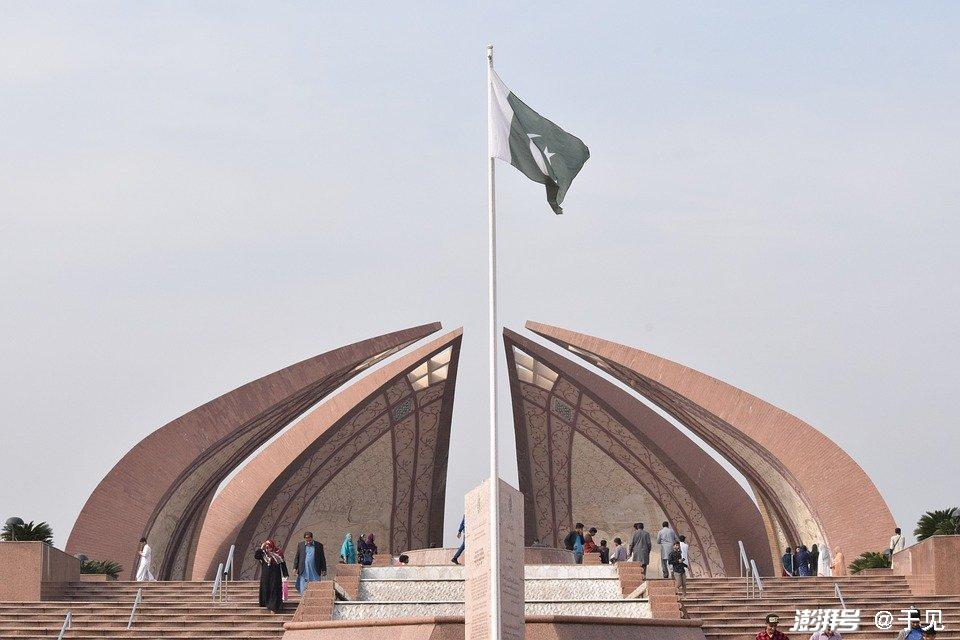
2. China-Pakistan Economic Corridor (CPEC) - **Location**: Pakistan - **Content**: Infrastructure construction (ports, highways, power stations), industrial parks, energy projects. - **Impact**: Promote economic growth in Pakistan and improve energy shortages.
3. Port of Mombasa, Africa - **Content**: Upgrade port facilities and improve logistics capabilities. - **Significance**: Become an important logistics hub in Africa and promote regional economic development.
4. Bangladesh-China-India-Myanmar Economic Corridor - **Content**: Promote cross-border transportation, power, and industrial cooperation. - **Goal**: Enhance regional interconnection and promote industrial transfer.

5. Main achievements achieved
1. Economic cooperation results - **Trade Growth**: The trade volume between countries along the Belt and Road and China continues to increase. - **Investment Projects**: Hundreds of infrastructure, energy, and manufacturing projects have been implemented. - **Employment creation**: The project will create a large number of jobs and improve people’s livelihood.
2. Major infrastructure - **Transportation**: China-Europe trains have opened multiple routes. - **Energy**: Natural gas pipeline and power station projects improve energy supply. - **Communications**: High-speed broadband networks are gradually being rolled out.
3. Financial platform - **AIIB**: A number of infrastructure projects have been approved, and the total financing amount continues to grow. - **Silk Road Fund**: supports cooperation projects in multiple fields.
4. Cultural exchange- **Confucius Institute**: The number of countries along the Belt and Road continues to increase. - **International Student Project**: China has become the first choice destination for international students from many countries.
6. Main challenges faced
1. Political security risks - Some countries have political instability, terrorism, conflicts and other problems, which affect project progress.
2. Debt risk - Some countries have heavy debt burdens and there is a risk of unsustainable debt.
3. Transparency and fair cooperation - Some projects lack transparency and unequal cooperation raises questions.
4. Environmental protection - Infrastructure construction may cause environmental damage, and green development needs to be strengthened.
5. International political environment - Geopolitical changes may affect the atmosphere for cooperation.

7. Future development direction
1. Green Silk Road - Promote green energy, low-carbon technology and reduce carbon emissions.
2. Digital Silk Road - Strengthen digital infrastructure and develop digital economy.
3. Industrial upgrading - Promote industrial transformation and develop high-tech in countries along the route.
4. Multilateral cooperation - Strengthen cooperation with international organizations and promote the reform of the global governance system.
5. People-to-People Connectivity - Deepen cooperation in culture, education, and tourism to enhance people's understanding and friendship.
Conclusion The “One Belt, One Road” initiative has become an important platform to promote global cooperation and promote common development. It not only improves the infrastructure of countries along the route and brings economic growth, but also promotes cultural exchanges and regional cooperation. In the future, with the continuous improvement of cooperation mechanisms and in-depth advancement of projects, the "Belt and Road" is expected to play a greater role in achieving common prosperity and building a community with a shared future for mankind. ---